Fresh Pour: How Charlotte's Premier Wine Bars Are Championing the Young Vintage Revolution
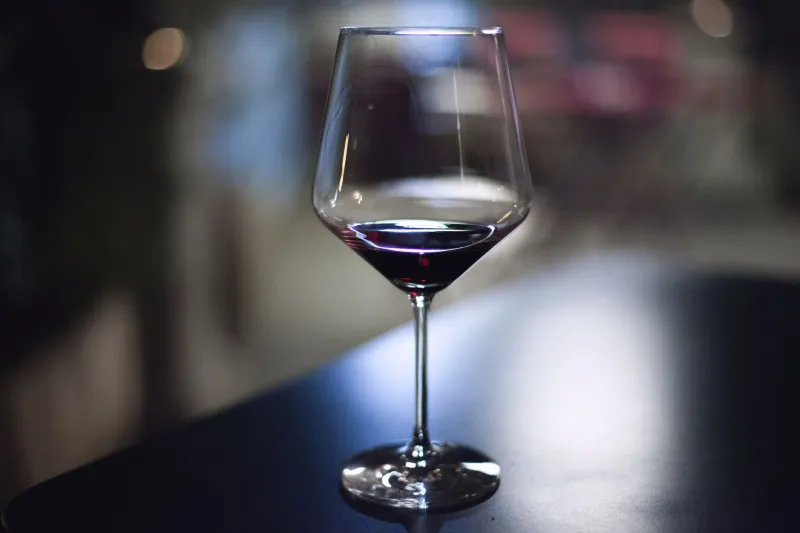
For generations, the conventional wisdom governing fine wine culture was elegantly simple: patience rewarded the discerning drinker. Cellars were stocked, decades elapsed, and bottles were opened with ceremony befitting their years. Yet walk into any of Charlotte's most celebrated wine bars today, and you may notice something quietly radical on the list — vintages that are barely old enough to have outgrown their adolescence.
This is not an oversight. It is a deliberate, considered shift that is reshaping how Charlotte's wine community thinks about quality, accessibility, and the very definition of drinking well.
Redefining Prestige, One Young Bottle at a Time
The reverence for aged wine is not without merit. Certain bottles — grand Burgundies, structured Barolos, the great Bordeaux classified growths — genuinely require years, sometimes decades, to express their fullest potential. That truth remains intact. What is changing, however, is the assumption that youth is a deficiency rather than a virtue.
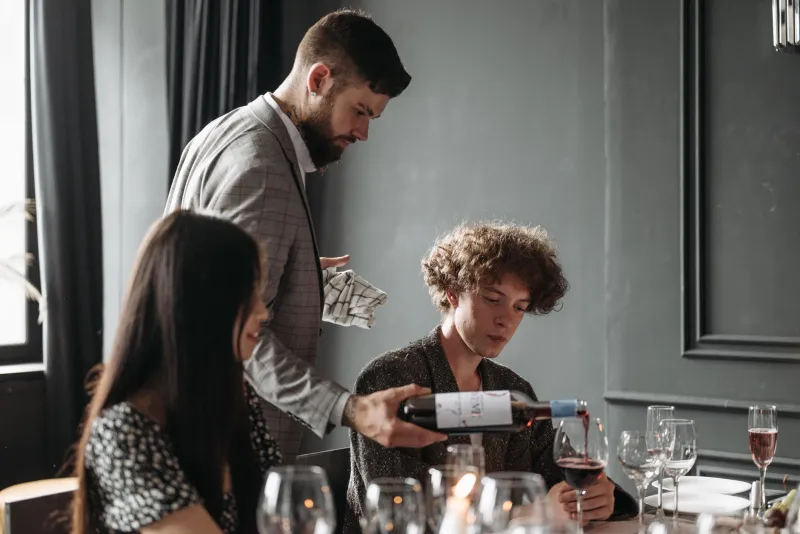
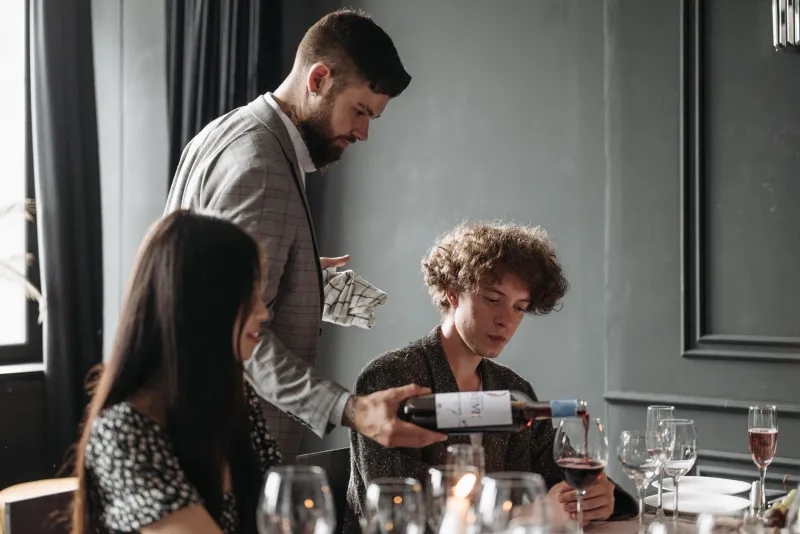
Sommeliers across Charlotte are increasingly vocal about this distinction. At several of the city's most refined wine-focused establishments, professionals describe a deliberate pivot toward selections that reward immediacy: wines built for freshness, tension, and aromatic clarity rather than the slow oxidative transformation that defines cellar-aged bottles.
"There is a certain kind of energy in a young wine that you simply cannot manufacture," explains one sommelier with more than a decade of experience curating programs in Charlotte's upscale dining corridor. "When a producer has made something with genuine intention — a Grüner Veltliner with razor-sharp acidity, a Gamay that practically vibrates with fruit — drinking it young is not a compromise. It is the point."
This perspective represents a meaningful departure from the posture that once defined prestige wine service, where a bottle's vintage year functioned almost as a credential — the older, the more impressive.
The Economics of Exceptional Drinking
Practical considerations are inseparable from this conversation. Aged wine carries a premium that extends well beyond the liquid in the bottle. Storage, insurance, the opportunity cost of capital tied up in inventory for years — these factors accumulate, and they are ultimately reflected in what guests pay per glass or per bottle.
Younger vintages, by contrast, allow wine programs to maintain rigorous quality standards while offering price points that feel genuinely democratic. For Charlotte's dining establishments, this alignment of value and excellence has proven commercially compelling. Guests who might have hesitated before a three-figure bottle of aged Napa Cabernet find themselves enthusiastically exploring a young Sicilian Nerello Mascalese or a freshly released Willamette Valley Pinot Noir at a fraction of the cost — and discovering that the experience is not merely acceptable but genuinely thrilling.
This democratization of fine wine culture aligns with broader shifts in how American consumers, particularly those in their thirties and forties, approach the table. There is less deference to received authority, more willingness to trust one's own palate, and a growing impatience with gatekeeping that once defined the upper registers of the wine world.
Sustainability and the Case for Drinking Current
Beyond economics, a sustainability argument has entered the conversation with increasing urgency. The environmental footprint of long-term wine storage — climate-controlled facilities, energy consumption over years or decades — is a legitimate concern for establishments and consumers who take their ecological responsibilities seriously.
Several Charlotte wine professionals note that sourcing younger vintages allows them to work more nimbly with producers who share their values. Small, biodynamically farmed estates, for instance, often release wines intended for near-term consumption. Building programs around these producers means forging relationships with growers whose agricultural practices align with the broader commitments of the establishments that serve them.
"When we buy young and buy intentionally, we are also buying closer to the source," one restaurateur in the Dilworth neighborhood observed. "We know who made the wine, how they farm, and why they made the choices they did in a given vintage. That transparency matters to our guests."
What Young Wines Are Actually on the List
The styles gaining the most traction in Charlotte's forward-thinking wine programs reveal a great deal about where the city's palate is heading. Pét-nat and other naturally sparkling wines, by their very nature, arrive at the table young and lively. Orange wines — skin-contact whites that have garnered their own devoted following — often express their most dynamic character within the first two to four years of production.
Among reds, lighter-bodied, lower-alcohol expressions from regions like Beaujolais, the Loire Valley, Jura, and the volcanic soils of southern Italy are appearing with greater frequency. These are wines that possess genuine complexity without requiring years of cellaring to reveal it.
On the domestic side, there is growing enthusiasm for releases from newer American producers — particularly those working in Oregon, the Finger Lakes, and emerging California appellations — whose winemaking philosophy centers on freshness and restraint rather than extraction and oak.
The Sommelier's Role in Shifting Perception
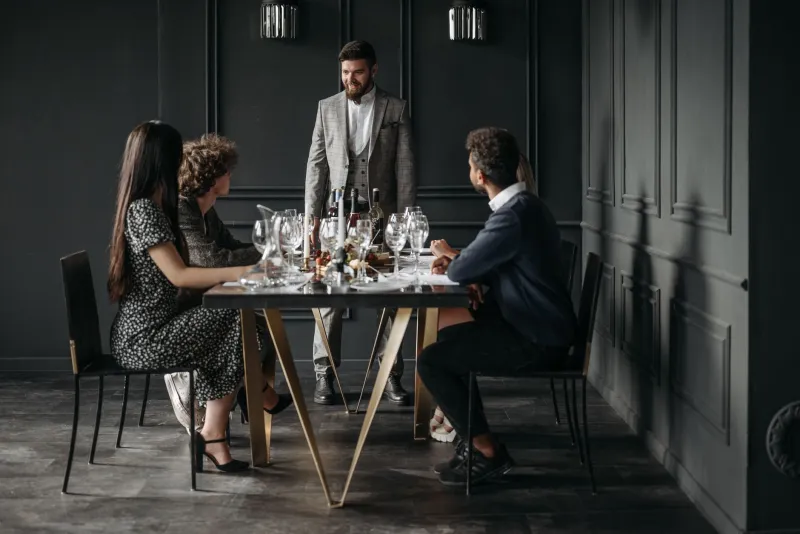
Perhaps the most consequential aspect of this trend is the work that sommeliers and wine directors are doing to reframe guest expectations. For diners accustomed to equating age with quality, encountering a 2023 vintage on a fine dining list can prompt genuine confusion. The role of the wine professional, in these moments, is educational as much as it is curatorial.
The most effective communicators in Charlotte's wine community have developed a fluency for describing the particular pleasures of young wine without diminishing the legitimate appeal of aged bottles. They speak of energy, of primary fruit, of the way a wine's texture feels alive and kinetic rather than resolved and settled. These are not consolation prizes for the absence of age — they are distinct and valuable qualities in their own right.
Table & Twine has observed that the establishments most successfully executing this shift are those whose staff possess both deep knowledge and genuine enthusiasm. A sommelier who has internalized the beauty of a young Chablis Premier Cru or a just-released Ribera del Duero can communicate that enthusiasm in a way that feels inviting rather than prescriptive.
A New Conversation at the Table
What is ultimately most interesting about Charlotte's young vintage moment is what it reveals about the city's evolving relationship with wine culture. This is a dining community that has grown in sophistication without growing rigid — one that holds expertise and accessibility in productive tension.
The finest wine experiences, as any honest sommelier will attest, have never been exclusively about age. They have been about the right bottle at the right moment, shared with the right company. If Charlotte's wine bars are finding that the right bottle is increasingly a young one, they are not abandoning tradition so much as returning to one of wine's oldest and most honest pleasures: drinking something alive.