The Kitchen Bottle, Reconsidered: How Charlotte Chefs Are Raising the Standard for Cooking Wine
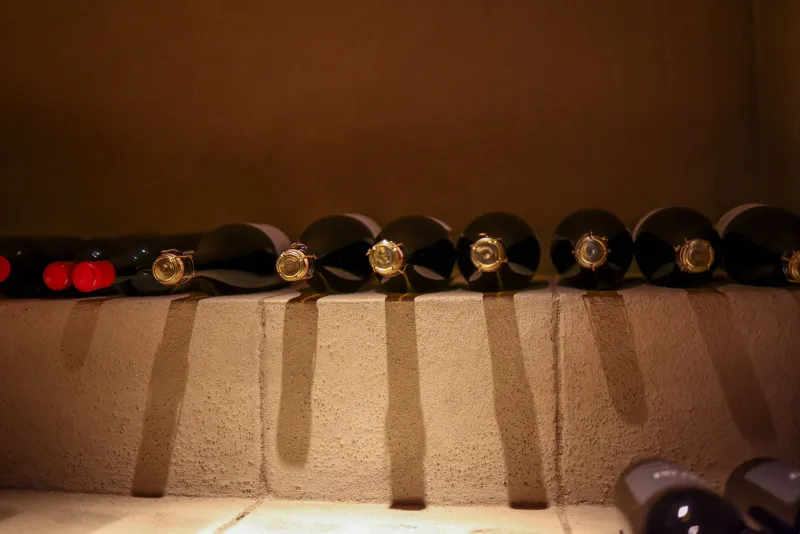
Somewhere in the back of nearly every professional kitchen, there is a bottle. It is not a bottle that would appear on any wine list. It is not a bottle anyone would pour into a glass with any degree of enthusiasm. It is, in the parlance of the trade, the cooking wine—a designation that has historically functioned as a license for the procurement of something barely distinguishable from vinegar.
Charlotte's culinary community is, quietly and with some conviction, departing from this tradition.
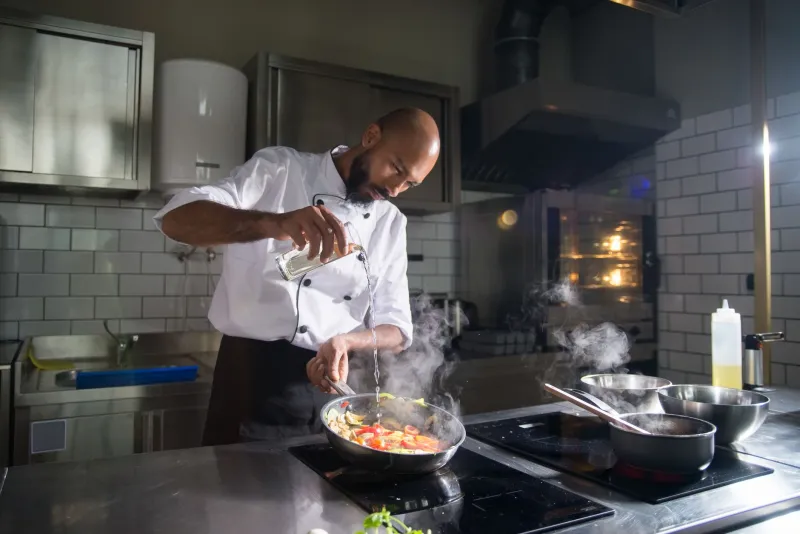
Across the city's more serious kitchens, a different philosophy has taken hold: that the wine used to deglaze a pan, braise a short rib, or reduce into a sauce is not a secondary ingredient. It is, in fact, one of the most consequential liquids in the kitchen—and treating it as a disposal mechanism for substandard bottles produces exactly the results one might expect.
Why the Old Approach Produces Inferior Results
The logic behind using cheap wine for cooking has always been superficially reasonable. Heat, the argument goes, drives off the alcohol and volatilizes the delicate aromatic compounds that distinguish a fine wine. What remains, the reasoning continues, is little more than acidity and body—qualities that any inexpensive bottle can supply.
This is partially correct and significantly misleading.
Heat does concentrate wine. It also concentrates everything in it—including off-flavors, chemical additives, and the flat, metallic qualities that make a poor wine unpleasant to drink. A sauce built on a wine that was barely tolerable in the glass will not be redeemed by the application of heat. It will be intensified.
"There's a misconception that cooking is forgiving of bad ingredients," says one Charlotte chef whose French-influenced menu relies heavily on wine-based preparations. "It isn't. Cooking is a magnifier. If you start with something mediocre, you finish with something mediocre—just more concentrated."
So-called cooking wines sold in grocery stores compound the problem further. Many are salted during production specifically to render them undrinkable and therefore exempt from liquor licensing regulations. That sodium content, which can be substantial, introduces a variable that a conscientious cook cannot easily control or compensate for.
What Charlotte Chefs Are Using Instead
The alternative that Charlotte's more deliberate kitchens have embraced is not extravagance. It is proportionality. The wines that appear in these kitchens are not first-growth Bordeaux or grand cru Burgundy. They are honest, well-made bottles—often in the fifteen to twenty-five dollar range—selected for the specific qualities they will contribute to a dish.
For reductions and pan sauces, a dry, unoaked white wine with good acidity is the workhorse of choice. Several Charlotte chefs have settled on Muscadet or a straightforward Chablis-style wine for this purpose—bottles that bring brightness without competing with other flavors. For richer preparations, a Côtes du Rhône or a well-structured domestic Grenache blend provides the depth that a braised dish demands.
The approach to red wine cooking has also grown more sophisticated. One Charlotte chef who specializes in long-braised preparations describes a practice of matching the wine's origin to the dish's cultural lineage. A Tuscan braise gets a Sangiovese. A Provençal daube gets a southern Rhône red. "The wine isn't just a liquid," she explains. "It's a flavor profile that either reinforces or fights what you're trying to do."
Leftover Bottles and the Question of the Home Cook
For the home cook, the practical translation of these principles is more approachable than it might appear. The most immediate recommendation from Charlotte's culinary community is to cook with whatever remains in a bottle opened for the table—provided it is still within a few days of opening and has been properly stored.
This is not a compromise position. It is, in fact, ideal. A wine chosen to complement the evening's meal is, almost by definition, a wine whose flavor profile is appropriate for the food being prepared. The leftover half-bottle of Vermentino that accompanied a seafood course is precisely what a seafood risotto deserves.
For bottles specifically purchased for kitchen use, the guidance is consistent: buy something you would not be reluctant to pour into a glass. This does not require significant expenditure. The domestic wine market, particularly in the category of everyday-drinking whites and entry-level reds, offers numerous well-made options at prices that make kitchen use entirely reasonable.
The Pantry Principle
Several Charlotte chefs have begun approaching their kitchen wine selection the way they approach pantry staples—with an eye toward versatility, reliability, and consistency. Rather than purchasing wine on an ad hoc basis for individual dishes, they maintain a small rotating selection: a dry white, a light-bodied red, and a dry sherry or dry Madeira for specific applications.
The sherry or Madeira recommendation is worth particular attention. These fortified wines are remarkably stable once opened, making them ideal for kitchen use. Their complex, oxidative character adds a dimension to sauces and braises that table wine cannot replicate. A splash of dry Fino sherry into a pan of sautéed mushrooms, for instance, produces a depth of flavor that no cooking wine from a grocery shelf could approach.
"Once people try cooking with a real Fino," says one Charlotte chef who studied in Spain, "they stop asking why it matters what wine you cook with."
A Small Investment With Measurable Returns
The financial case for quality cooking wine is, ultimately, straightforward. The wine used in a typical home preparation—a standard braise or pan sauce—rarely exceeds half a cup to a full cup in volume. At fifteen dollars a bottle, that represents a modest fraction of the cost of a single meal. The flavor differential between that investment and a two-dollar cooking wine is not subtle.
Charlotte's chefs are making this argument not in the abstract but on plates that diners are encountering every evening. The kitchen bottle, long an afterthought, is increasingly the object of the same care and intentionality that defines the rest of the culinary process. The results, as any diner in this city's better restaurants might attest, are worth the reconsideration.