Old Bottles, Real Questions: A Diner's Guide to Evaluating Aged Wine Pricing in Charlotte
There is a particular kind of anticipation that comes with ordering an older bottle at a fine dining table. The price is higher, the risk is real, and the potential reward—a wine that has traveled across years to arrive precisely at its moment of readiness—is unlike anything a young bottle can offer. When it works, it is among the most singular pleasures the table provides.
When it does not work, it is an expensive disappointment that no amount of attentive service can fully repair.
The difference between a well-aged treasure and a costly gamble is rarely visible from the wine list alone. It lives in the storage conditions the bottle has experienced, the documentation that accompanies its history, and the physical evidence present in the bottle and its contents at the moment of service. For diners navigating Charlotte's upscale restaurant landscape—where aged wine programs vary considerably in their rigor and transparency—developing the ability to evaluate these factors is an investment that pays consistent returns.
Understanding What Aging Actually Does
Before evaluating whether an aged bottle is worth its premium, it is worth establishing what that premium is theoretically purchasing.
In a wine with the structural components necessary for aging—sufficient acidity, tannin, or residual sugar, depending on the style—time in bottle produces a gradual series of chemical transformations. Tannins polymerize and soften, shedding the astringency of youth. Primary fruit aromas give way to secondary and tertiary notes: dried fruit, earth, leather, tobacco, forest floor, and a category of complex savory characteristics that have no precise analog in a young wine. The texture evolves, often developing a silkiness that is simply unavailable in a bottle opened too early.
None of this occurs, however, if the storage conditions have not supported it. Heat, light exposure, humidity fluctuations, and vibration are all enemies of the aging process. A bottle that has experienced even a single significant temperature spike may present as oxidized, flat, or structurally compromised regardless of its age or pedigree. The vintage on the label tells you when the wine was made. It does not tell you what happened to it in the years between then and now.
The Questions Worth Asking Before You Order
A well-run fine dining program in Charlotte should be able to answer basic provenance questions about its aged inventory with confidence. The willingness to engage with those questions—and the quality of the answers—is itself diagnostic.
Ask the sommelier or wine director where the bottle was acquired. Restaurant programs source aged inventory through several channels: direct from the producer or winery, through established importers with documented storage records, at auction, or from private collectors. Each channel carries different levels of traceability. Producer-direct and established importer acquisitions offer the most reliable chain of custody. Auction purchases can be excellent, but they require that the restaurant has done its own due diligence on storage history.
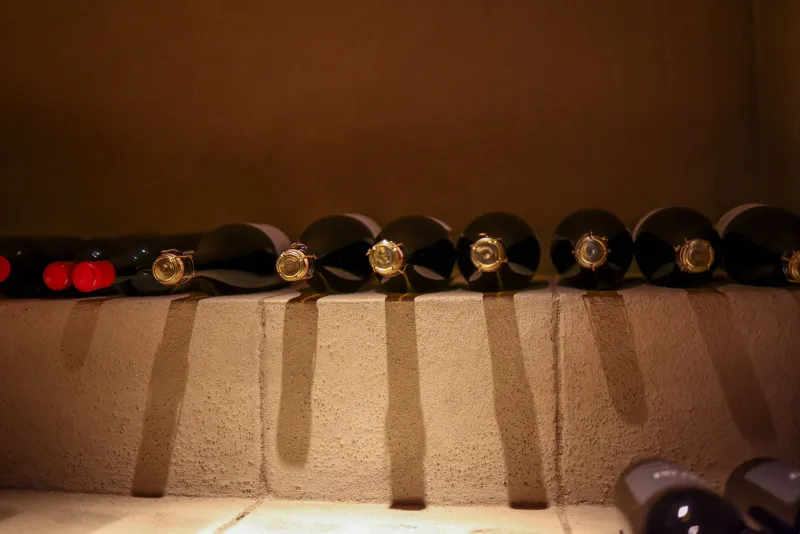
Ask whether the restaurant stores its cellar inventory on-site or through a third-party temperature-controlled facility. On-site cellars vary enormously in their quality. A purpose-built, climate-controlled cellar maintained at approximately fifty-five degrees Fahrenheit with appropriate humidity is ideal. A repurposed storage room adjacent to the kitchen, regardless of how charming it appears, is a cause for caution.
Ask about the fill level. For older bottles, particularly those beyond fifteen years, some ullage—the space between the wine and the cork—is expected and normal. Significant ullage, however, may indicate evaporation through a compromised cork, which accelerates oxidation. A sommelier who can describe the fill level of a bottle you are considering ordering has examined the inventory carefully. One who cannot should prompt further inquiry.
Physical Evidence at the Table
Once a bottle has been selected and brought to the table, the moment of presentation offers its own information before a drop is poured.
Examine the capsule and cork upon extraction. A cork that crumbles or breaks during opening is not automatically a sign of a flawed wine—older corks become fragile with age—but it does warrant careful attention to what follows. A cork that shows signs of significant seepage, particularly if the wine has stained the capsule above the cork line, suggests that liquid has been escaping and air has likely been entering.
Observe the color in the first pour. White wines deepen with age, moving from pale gold toward amber; this is expected and often beautiful. Excessive browning in a white wine, particularly if accompanied by a flat or oxidized aroma, suggests a bottle past its prime. Red wines move in the opposite direction, losing their deep purple-ruby tones in favor of garnet and eventually brick-orange at the rim. A red wine that has gone fully brown, particularly if young sediment is not the cause, warrants concern.
Trust your nose before your preconceptions. A well-aged wine, whatever its color, should smell alive—complex, layered, and evolving in the glass. A wine that smells flat, vinegary, or of damp cardboard is telling you something important regardless of its vintage year.
When to Negotiate and When to Send It Back
A bottle that shows clear signs of decline—oxidation, cork taint, or significant structural deterioration—should be returned. Any reputable Charlotte restaurant with a serious wine program will accept a flawed bottle without argument, particularly one from its aged inventory where the risks are understood.
The more nuanced situation involves a bottle that is not technically flawed but has clearly passed its optimal window: still drinkable, perhaps even pleasant in an attenuated way, but a diminished version of what the price suggested. This is the more common scenario, and it is the one that rewards the diner who has done their homework.
In this circumstance, a candid conversation with the sommelier is appropriate. Describe specifically what you are observing—the flatness of the fruit, the absence of the complexity the vintage typically shows, the sense that the wine has resolved past its peak. A sommelier who takes that feedback seriously and either offers an alternative selection or adjusts the charge accordingly is demonstrating the kind of hospitality that builds long-term guest relationships.
A sommelier who dismisses the observation is providing information of a different kind.
The Premium That Earns Itself
Aged wine, at its best, offers something that no amount of technical skill in the cellar can manufacture on demand: the irreplaceable quality of time. The finest older bottles available at Charlotte's most committed wine programs carry premiums that are entirely justified by the investment, expertise, and risk their acquisition and storage represent.
But that premium must be earned bottle by bottle, not assumed by vintage year alone. The diner who asks the right questions, reads the physical evidence at the table, and holds the program accountable to its own standards is not being difficult. They are being the kind of guest that serious restaurants are built to serve.