The Art of the Vertical: Hosting a Single-Vineyard Wine Journey in Your Own Home
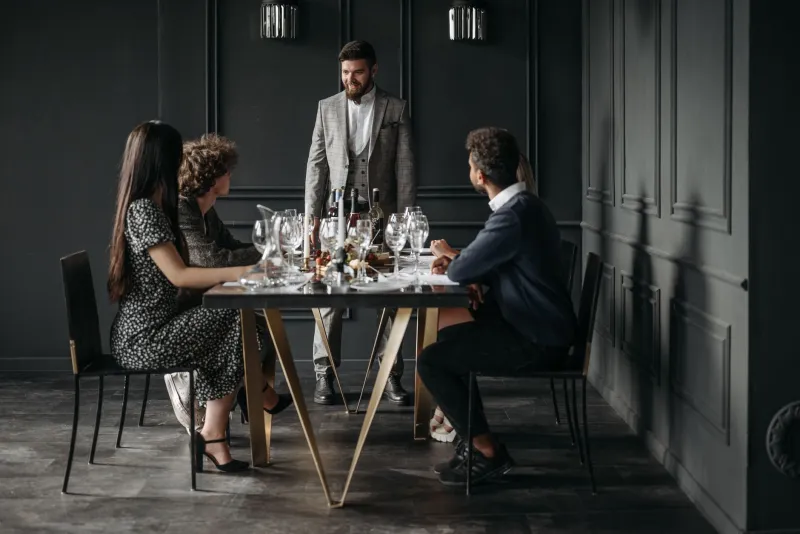
There is a particular kind of reverence that settles over a dining room when guests realize they are tasting not just a wine, but a record of time. A vertical tasting — the practice of comparing multiple vintages from a single producer and vineyard — is one of the most intellectually rewarding experiences the wine world has to offer. Unlike a horizontal tasting, which surveys different producers within the same vintage year, a vertical invites you to watch a singular voice change its tone across seasons, droughts, and exceptional harvests.
For those in Charlotte who have graduated beyond casual wine nights and are ready to offer guests something genuinely memorable, a well-executed vertical tasting at home is both achievable and deeply impressive. What follows is a practical, step-by-step guide to planning, structuring, and pairing your event with the precision it deserves.
Choosing Your Producer and Vintage Range
The foundation of any vertical tasting is the selection of a producer whose wines reward aging and demonstrate meaningful vintage variation. In practical terms, this means looking toward classic appellations with a track record of consistency. Burgundy's Pinot Noir producers, Napa Valley Cabernet Sauvignon estates, and the great Barolo houses of Piedmont are perennial favorites for this format. Closer to home, Virginia's Barboursville Vineyards and select producers from Sonoma's Russian River Valley offer increasingly compelling vertical material.
Aim for a range of five to seven vintages spanning at least a decade. This breadth allows guests to observe the wine's arc — its youthful tannins, its middle-aged integration, and, ideally, the graceful complexity of a fully mature bottle. When sourcing older vintages, Charlotte's own specialty retailers such as Total Wine's fine wine section or boutique shops like Wooden Vine Wine & Spirits can be reliable starting points. Online auction platforms like WineBid or Vivino's marketplace expand your options considerably.
Establishing the Order of Service
Convention dictates that vertical tastings proceed chronologically from youngest to oldest, allowing guests to appreciate how primary fruit-forward characteristics evolve into the secondary and tertiary notes — leather, earth, dried herbs, and truffle — that define a mature bottle. This sequence also protects more delicate older wines from being overwhelmed by the boldness of youth.
That said, some seasoned hosts prefer a reverse order, beginning with the oldest vintage to establish a benchmark of what the wine becomes, then working backward through time. Both approaches have merit. What matters most is consistency and clear communication with your guests about the logic behind your choice.
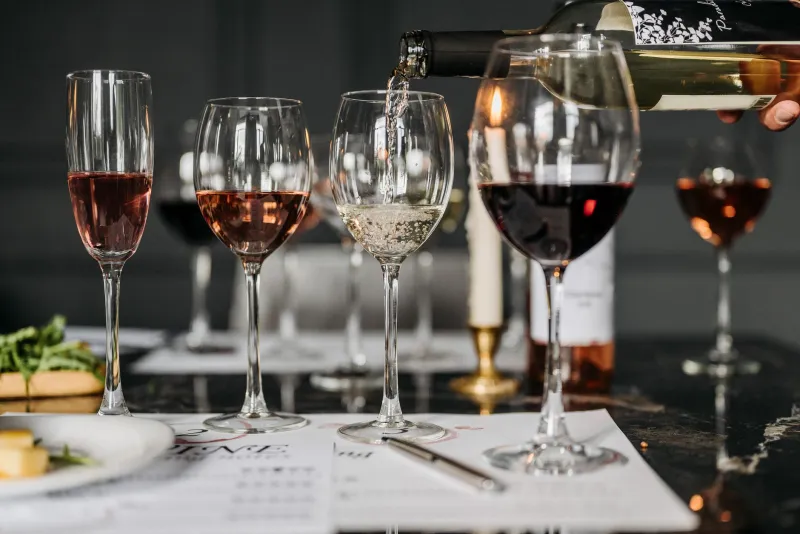
Prepare a simple tasting card for each bottle — nothing elaborate, just the vintage year, a note on the growing season's character, and two or three flavor descriptors to guide conversation. This small gesture transforms passive drinking into active discovery.
Glassware: Investing in the Right Vessel
The vessel through which a wine is experienced is not a trivial concern. For red verticals, Riedel's Veritas Cabernet or Burgundy glasses are excellent choices, offering the bowl geometry that allows aromatic compounds to gather and concentrate before reaching the nose. Zalto's Universal glass, though an investment at roughly $50 per stem, performs admirably across a wide range of varietals and lends the table an understated elegance entirely consistent with the occasion.
Ensure you have sufficient stems so that guests may retain glasses for comparison rather than rinsing between pours. Tasting side by side — the 2012 next to the 2018, for instance — produces insights that sequential tasting simply cannot replicate.
Curating the Charcuterie: Pairing with Purpose
Upscale charcuterie is the ideal accompaniment to a vertical tasting because its flavors are complex without being aggressive, and its variety accommodates the shifting character of wines across the flight. Think of the board not as a centerpiece but as a calibrated palate tool.
For a red wine vertical, consider the following composition:
- Aged hard cheeses: A 24-month Parmigiano-Reggiano or a well-aged Manchego provides the umami bridge that makes tannic young wines more approachable.
- Cured meats with nuance: Prosciutto di Parma, soppressata, and a high-quality bresaola offer fat and salt without overpowering the wine's aromatics.
- Accompaniments that evolve: Honeycomb, Marcona almonds, and fig preserves shift in harmony with the wine's profile as vintages age — the sweetness of fig, for instance, becomes increasingly flattering as a wine softens.
- Dark chocolate: A 70% cacao bar, broken into small pieces, pairs remarkably well with older vintages of Cabernet Sauvignon, echoing the wine's developed cocoa and mocha notes.
Source your charcuterie thoughtfully. Charlotte's Providore Fine Foods and the specialty counters at Harris Teeter's Ballantyne or SouthPark locations offer a curated selection worthy of the occasion.
Setting the Stage: Atmosphere and Logistics
Decant younger vintages one to two hours before guests arrive; older bottles may require only thirty minutes, as extended exposure to oxygen can diminish their fragile aromatics. Serve all wines at the appropriate temperature — a common error is serving reds too warm, which accentuates alcohol and masks nuance. Aim for 62–65°F for most full-bodied reds.
Dim lighting, linen napkins, and a neutral tablecloth allow guests to observe the wine's color evolution in the glass — itself a meaningful part of the vertical experience, as color shifts from deep violet in youth to garnet and eventually brick-red at the rim with age.
Plan for approximately two to three ounces per pour, per vintage. A vertical of six wines at this pour size keeps guests engaged without overwhelming their palates or judgment.
The Conversation Is the Point
The finest vertical tastings are not lectures — they are guided conversations. Prepare two or three thoughtful questions to pose at each pour: What do you notice about the fruit? Does this feel more closed or more open than the previous vintage? Where do you sense the tannins?
Encourage guests to write brief notes and compare at the end of the evening. The act of articulating what one tastes sharpens perception and deepens the experience in ways that passive consumption never does.
A vertical tasting, done well, is a form of hospitality that respects both the wine and the guest. It says, in essence, that the evening is worth slowing down for. In Charlotte's increasingly sophisticated dining culture, that message resonates deeply — and leaves an impression that no restaurant reservation alone can replicate.